Ageing alarm annunciation systems are a common obsolescence risk right across the nuclear estate, on operating stations and decommissioning sites alike, where continuous, reliable alarm monitoring is essential to safe operation.
AMS Nuclear replaces these legacy systems in live nuclear environments without interrupting monitoring, restoring dependable, maintainable and standards-compliant annunciation.
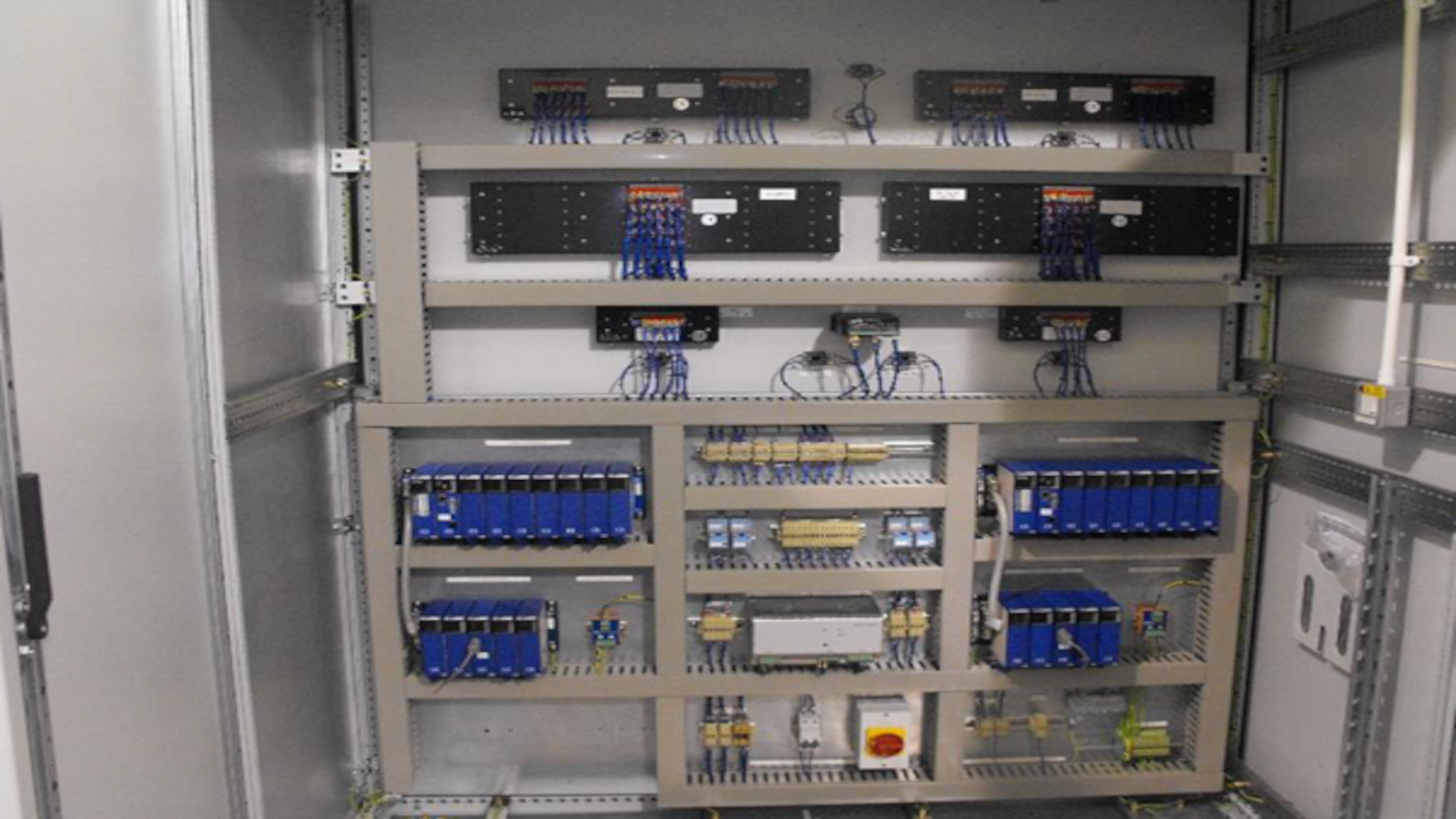
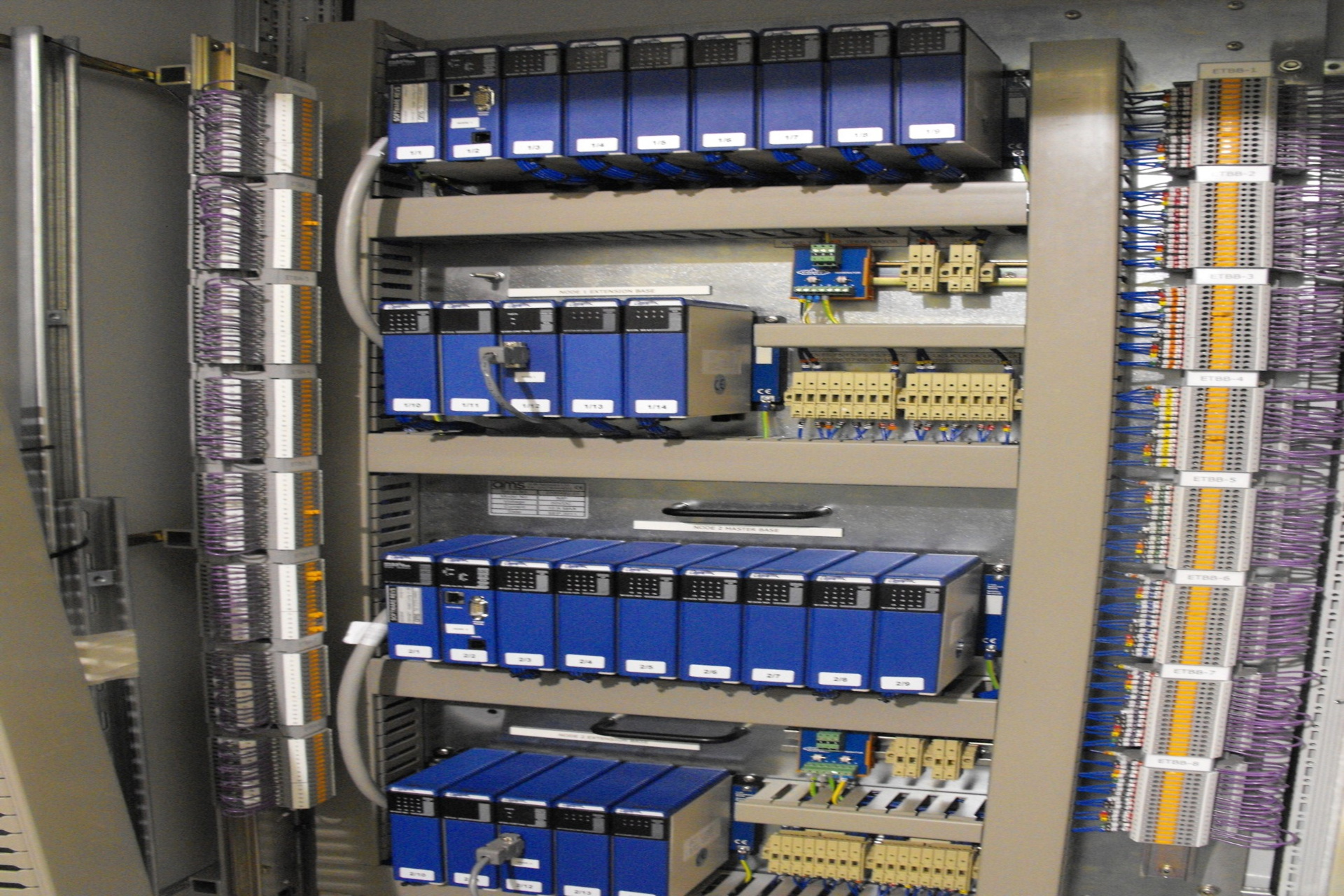
At Hinkley Point A (NRS Ltd), a decommissioning site, AMS Nuclear delivered exactly that in the Pond Water Treatment Plant (PWTP), supporting the associated CTP and ETP systems. The new fully integrated annunciator solution restored dependable alarm monitoring, improved system availability and brought the plant into line with current regulatory and engineering standards, all without disruption to ongoing operations.
Supporting Critical Plant Operations Through Proactive Modernisation
Operating within the UK nuclear sector demands absolute confidence in control and monitoring systems. At this facility, the PWTP, CTP and ETP systems play a vital role in managing plant processes and maintaining safe, continuous operations.
The existing alarm annunciation system had supported operations for many years. However, as part of a broader lifecycle management strategy, it was identified that the system no longer met modern expectations for maintainability, supportability and long-term reliability.
The requirement was clear: modernise the annunciation capability in a controlled, compliant manner – without impacting ongoing operations or introducing unnecessary risk.

“This wasn’t just a like-for-like replacement. We had to fully understand how the existing system behaved in practice, not just on paper and design a solution that improved reliability without interrupting operations.”
Lead Engineer, AMS Nuclear
Designing a Future-Ready Annunciation System Integrated with Existing Infrastructure
AMS Nuclear approached the project by combining detailed system understanding with robust engineering design, ensuring the replacement system aligned with both operational needs and modern standards.
The solution introduced two key assemblies:
- An Input Management Assembly installed within the existing MPAS cubicle
- A new Annunciator Cubicle located within the PWTP control room
This architecture enabled seamless integration with the Plant Status Monitoring System (PSMS), using established communication protocols to ensure consistent alarm handling across the facility.
Key features of the system included:
- Digital processing of alarm inputs from field devices
- Clear visual indication via illuminated alarm tiles
- Audible alarm functionality aligned with control room requirements
- Structured alarm management, including prioritisation and repeat signalling to PSMS
- Secure operator and administrator access levels
The system was engineered to meet defined performance and reliability targets, including high availability and robust fault detection capability.
Delivering a Controlled, Phased Implementation with Full Regulatory Alignment
AMS Nuclear executed the project through a structured, three-phase delivery model, ensuring full compliance and quality assurance at every stage.
Design and Definition
- Detailed assessment of existing system functionality
- Development of design documentation and integration strategy
- Identification and resolution of legacy inconsistencies
Manufacture and Verification
- Assembly of system hardware and development of supporting software
- Factory Acceptance Testing (FAT) to validate performance against requirements
- Simulation of PSMS interfaces to confirm system behaviour
Installation and Commissioning
- Installation within the control room environment
- Site Acceptance Testing (SAT) to confirm correct integration
- Managed commissioning approach to maintain operational continuity
Throughout delivery, AMS Nuclear worked in close collaboration with site stakeholders, ensuring alignment with operational schedules and nuclear safety expectations.
“Our focus was on delivering a system that works reliably today and remains supportable tomorrow. That’s what long-term nuclear engineering is about.”
Project Manager, AMS Nuclear