
AMS Nuclear Logo icon

Project Overview

Type: Obsolescence, C&I Reverse Engineering

Scope Of Supply: Design, Prototype, Manufacture, Test & Qualify (Reverse Engineering)

Market Sector: Nuclear Power Generation

At EDF’s Heysham 2 and Torness Advanced Gas-cooled Reactor (AGR) stations, reliable monitoring of water ingress within the IFD Cell is essential to maintaining safe and efficient plant operations. When the original Spurious Ingress Detection System (SIDS) and Water Ingress Detection System (WIDS) began approaching component obsolescence, EDF required a practical solution that would preserve operational continuity and maintain regulatory compliance without major plant modification.

AMS Nuclear was commissioned to deliver a sustainable engineering solution. By reverse engineering the original electronics and designing qualified replacement printed circuit boards (PCBs), AMS Nuclear restored maintainability to the system while ensuring compatibility with existing probes and control interfaces. The result was a reliable replacement strategy that secured long-term system support, reduced operational risk associated with ageing components and established a robust supply of replacement modules for the stations’ future needs.

Supporting Ageing Instrumentation in a Highly Regulated Environment

The IFD Cell’s water ingress monitoring system was originally supplied by Bestobel Mobrey and forms part of the plant’s control and instrumentation infrastructure. The equipment uses ultrasonic probes connected to locally mounted amplifier modules and a remote controller unit to detect water presence and relay status to the control system.

However, the electronic modules were designed using analogue technologies typical of the late 1970s and early 1980s. Over time, these components became increasingly difficult to support as the original manufacturer discontinued production and spare parts became scarce.

Although the system itself remained effective, the ageing electronics created growing maintenance challenges and increasing reliance on limited spares. Importantly, the probes themselves were integrated within complex pipework assemblies. Replacing them would have required extensive redesign and plant modification.

EDF therefore sought a solution that could modernise the electronic interfaces while retaining the existing probe installation and maintaining compatibility with the station’s control and protection systems.

Engineering a Practical Path Through Obsolescence

AMS Nuclear approached the challenge with a clear objective: deliver a technically equivalent replacement for the obsolete electronics while preserving the existing mechanical and instrumentation architecture.

The project began with a detailed investigation of the legacy equipment. With limited original design information available, AMS Nuclear engineers undertook a full reverse engineering exercise to understand the behaviour and performance characteristics of the head amplifier and controller modules.

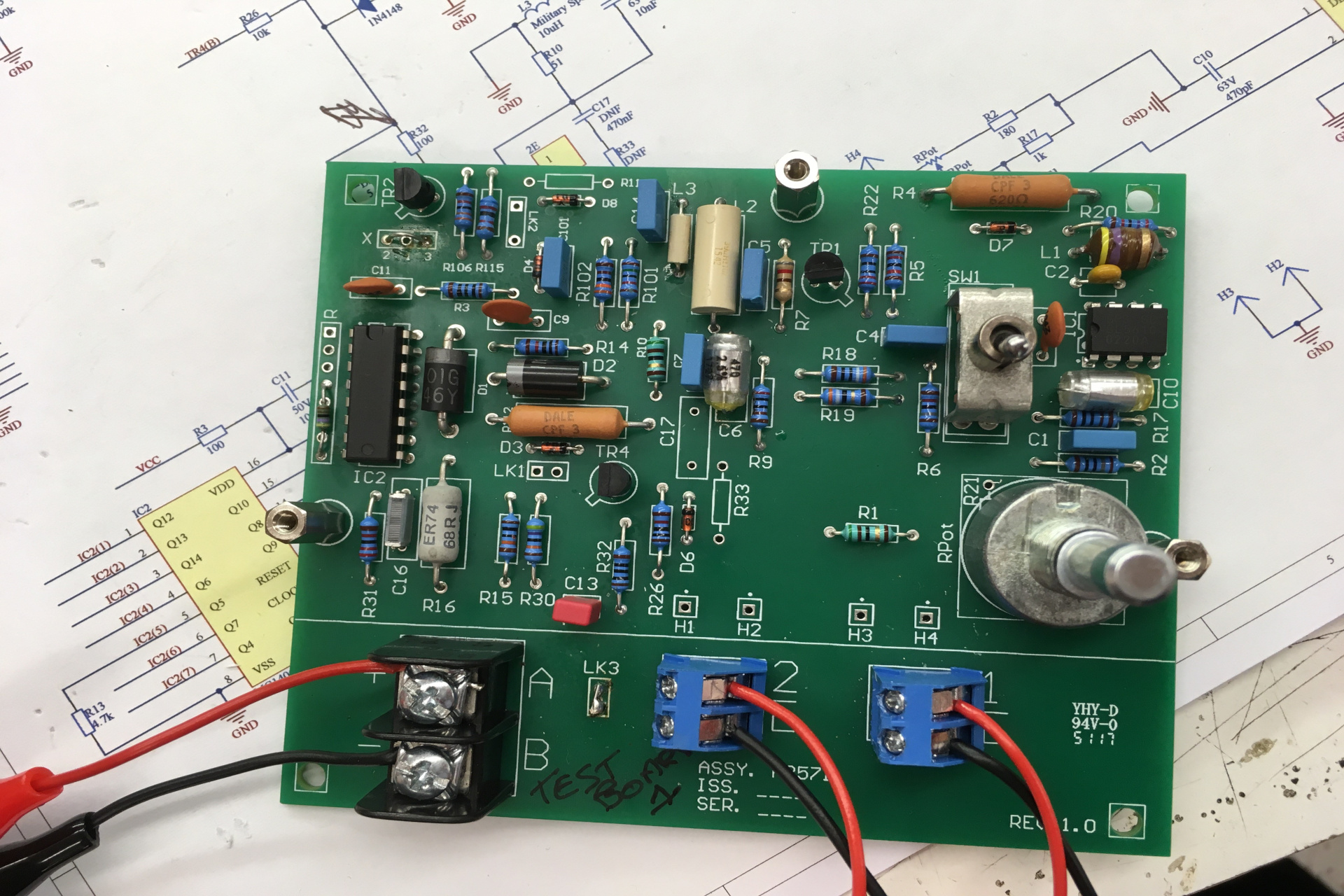
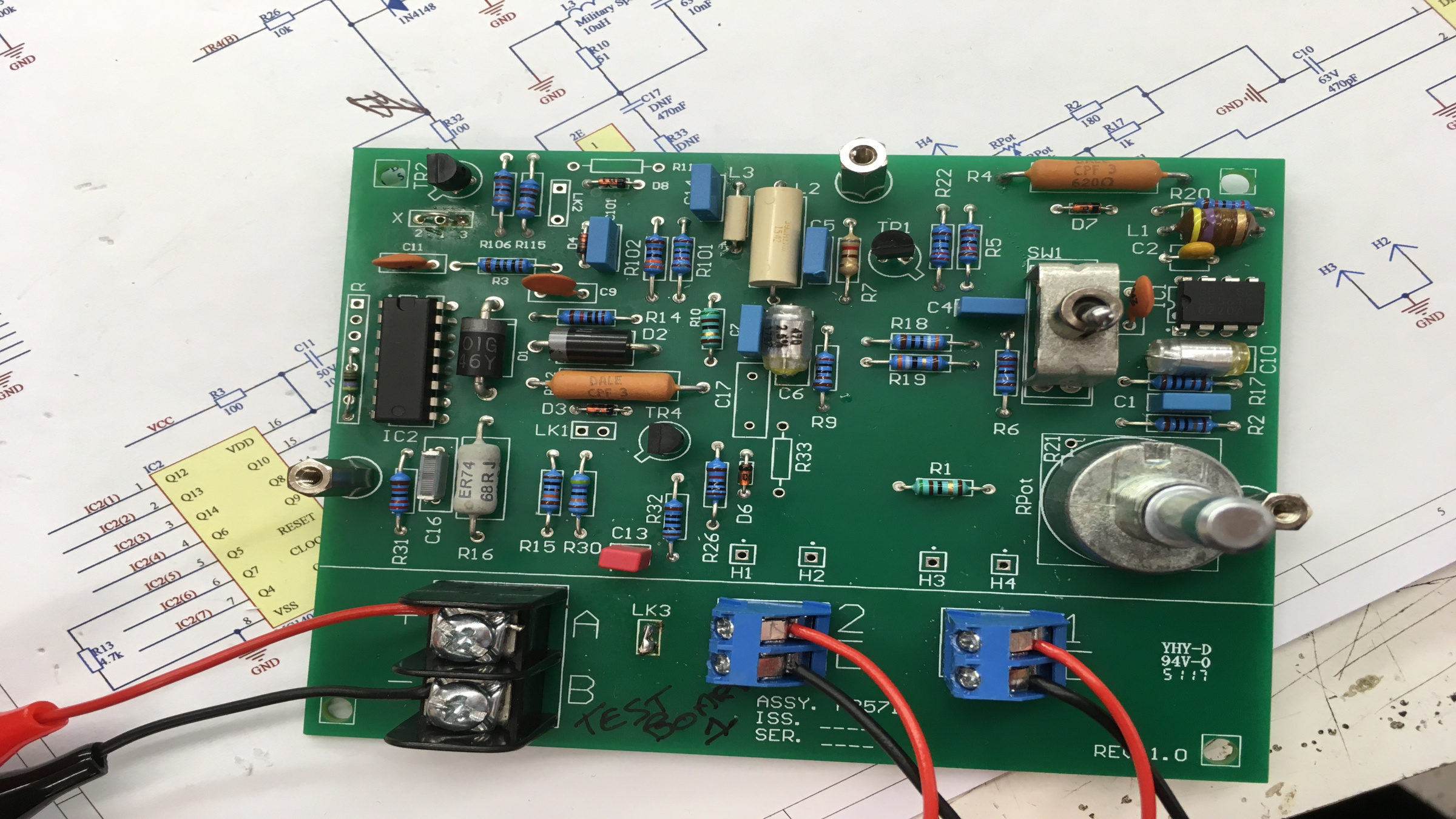
From this analysis, AMS Nuclear developed new PCB designs that replicated the functional performance of the original modules while using equivalent, supportable electronic components.

Crucially, the new assemblies were designed with form-fit-function equivalency, allowing them to be installed directly within the original housings. This ensured the upgraded electronics could be deployed without mechanical modifications or infrastructure changes.

“Our focus was to create a replacement that behaved exactly like the original system from the station’s perspective. By preserving the existing installation, we reduced both implementation risk and operational disruption.”

Senior Engineer, AMS Nuclear

Delivering a Qualified Replacement for Critical Plant Systems

Once the designs were developed, AMS Nuclear produced prototype PCB assemblies for both the control unit and the head amplifier modules. These prototypes were tested offline and evaluated to confirm functional equivalency with the legacy equipment.

The testing programme verified that the new electronics maintained compatibility with the ultrasonic probes and the IFD control interfaces while reproducing the expected operational behaviour of the system.

Following successful validation, AMS Nuclear progressed to manufacturing the first production batch of replacement PCBs. These units were supplied to replenish station spares holdings, ensuring continued support for the monitoring system at Heysham 2 and Torness.

The work was delivered within the appropriate nuclear quality assurance framework, ensuring traceability, documentation and technical review throughout the design and manufacturing process.

Extending the Service Life of Critical Detection Systems

This project demonstrates how targeted engineering can resolve complex obsolescence challenges within long-operating nuclear facilities.

By retaining the existing probes and infrastructure while modernising the electronics, AMS Nuclear provided EDF with a practical and cost-effective pathway to sustain a critical monitoring function. The replacement modules restored confidence in the system’s maintainability while avoiding the significant disruption that a full system replacement would have required.

The approach developed for this project also provides a repeatable methodology for addressing similar ageing instrumentation challenges across the AGR fleet.

“Obsolescence doesn’t always require a full system replacement. Sometimes the best solution is understanding the original design deeply enough to rebuild it in a way that keeps the plant running safely for years to come.”

Project Manager, AMS Nuclear

AMS Nuclear Certifications

ISO 9001:2015
ISO 14001:2015
ISO 45001:2018
Cyber Essentials