By bringing different technologies together, we can help your learners compare measurement methods, investigate instrument behaviour and understand the relationship between an individual device and the wider system.
The proposed HPC equipment illustrates how this can work across five training areas.
Level measurement and control: Radar, ultrasonic, capacitance, hydrostatic and differential pressure instruments would allow learners to compare responses to the same changing water level. A configurable proportional–integral–derivative controller and variable speed drive would extend exercises into control behaviour, connecting measurement principles with system response.
Flow measurement: Sharing the level rig’s water circuit, the proposed flow equipment combines venturi and orifice plate measurement with alternative flowmeter technologies. This provides opportunities to compare readings and explore how different measurement principles apply within a common process.
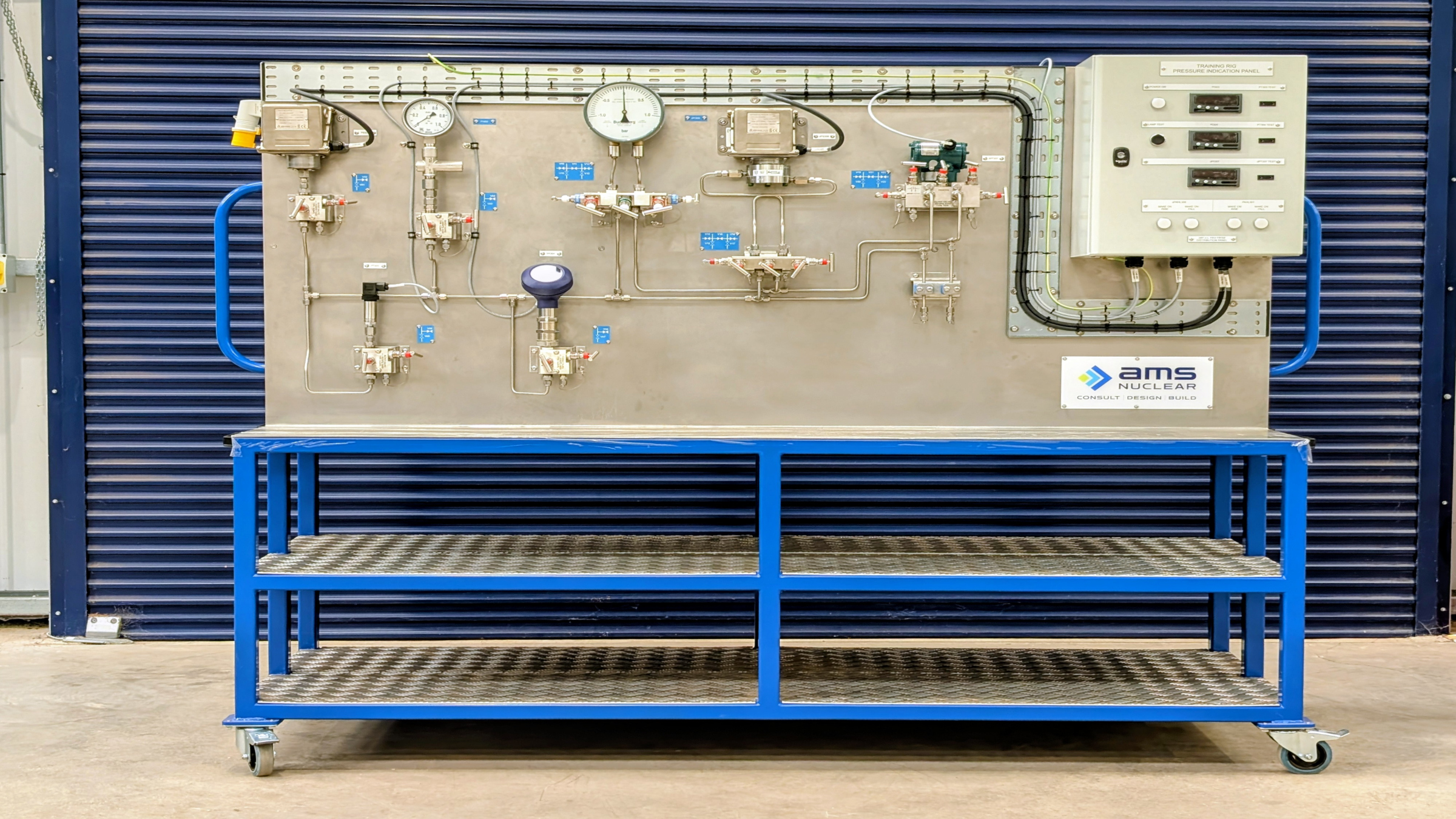
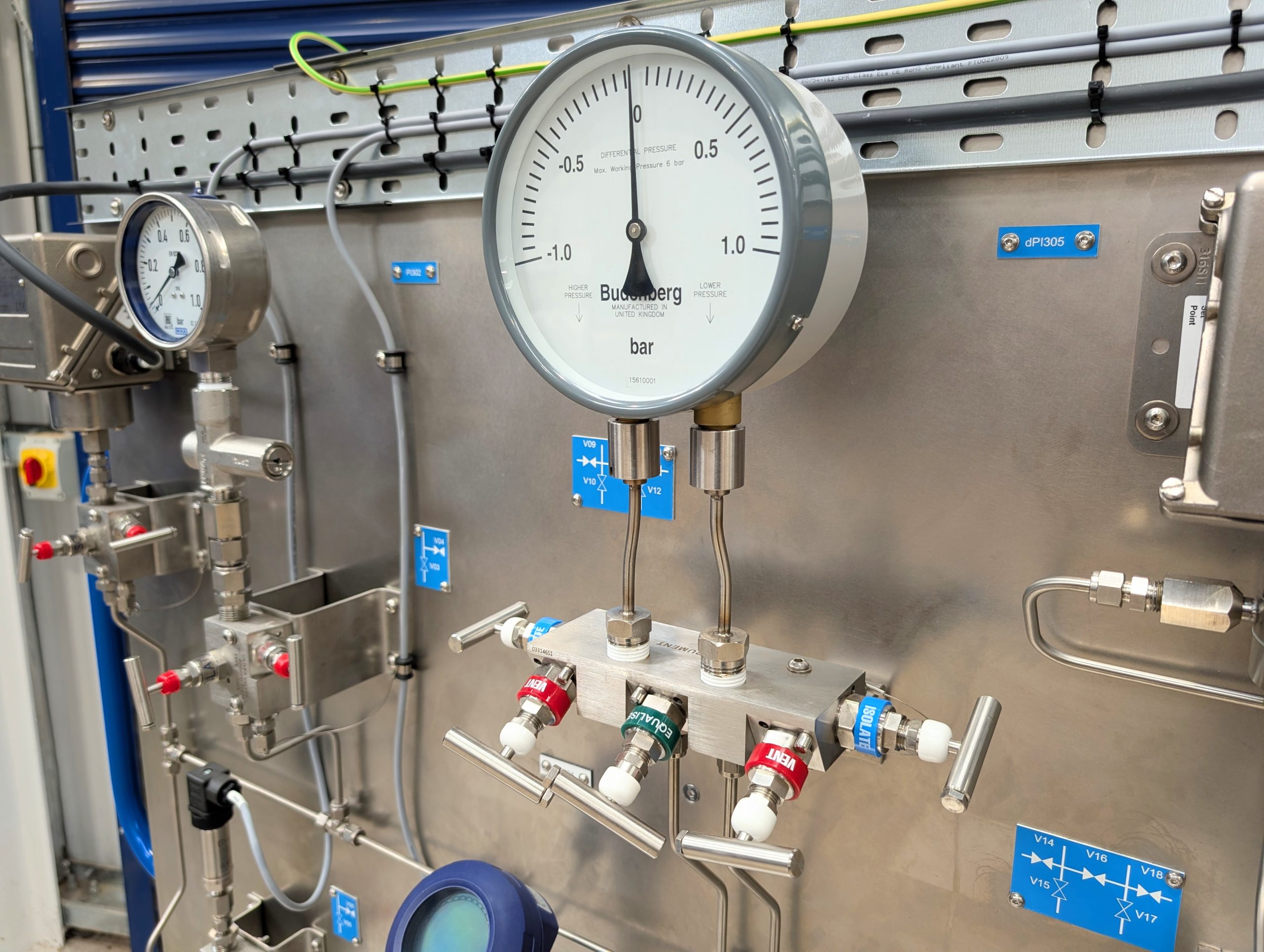
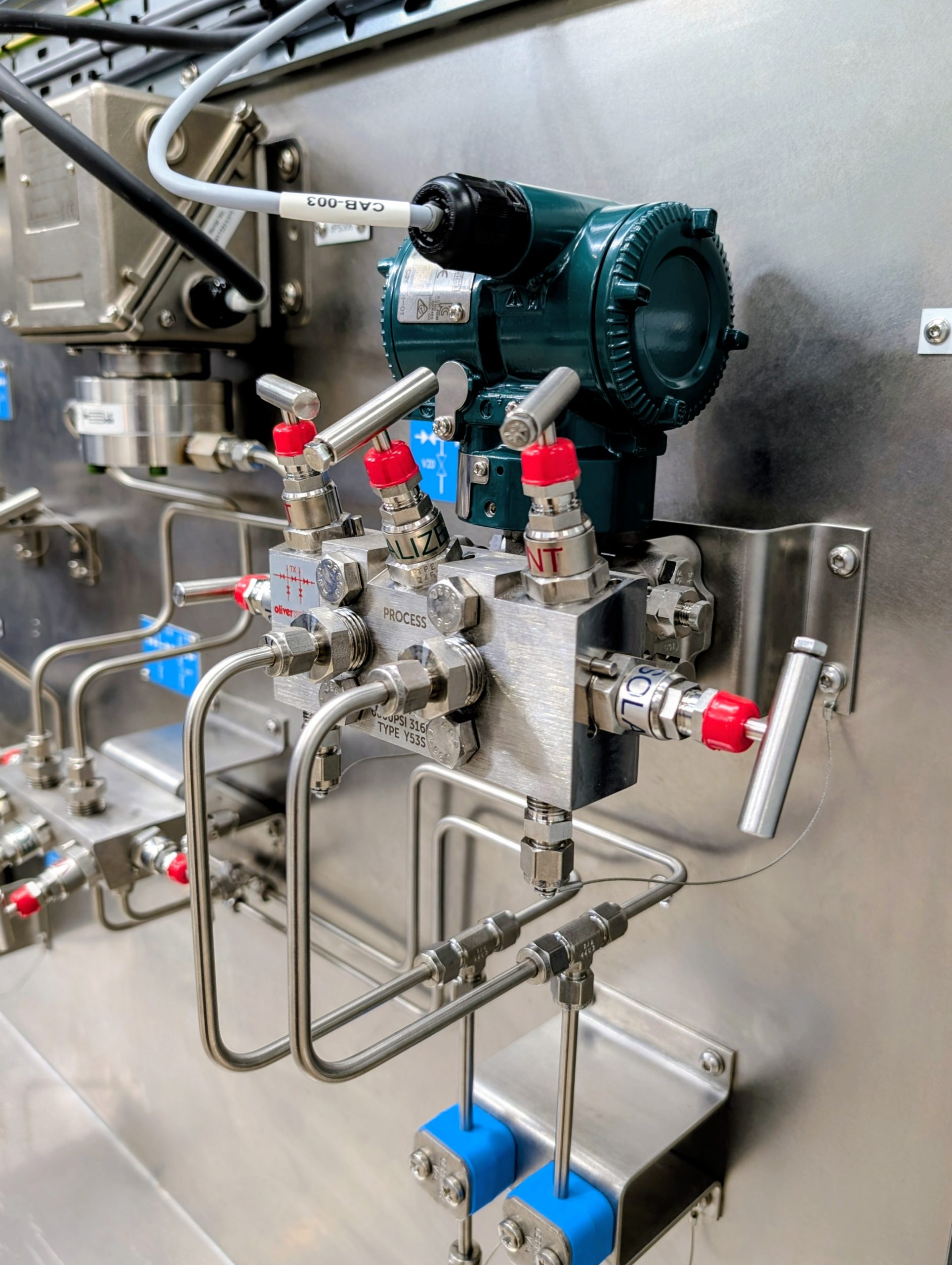
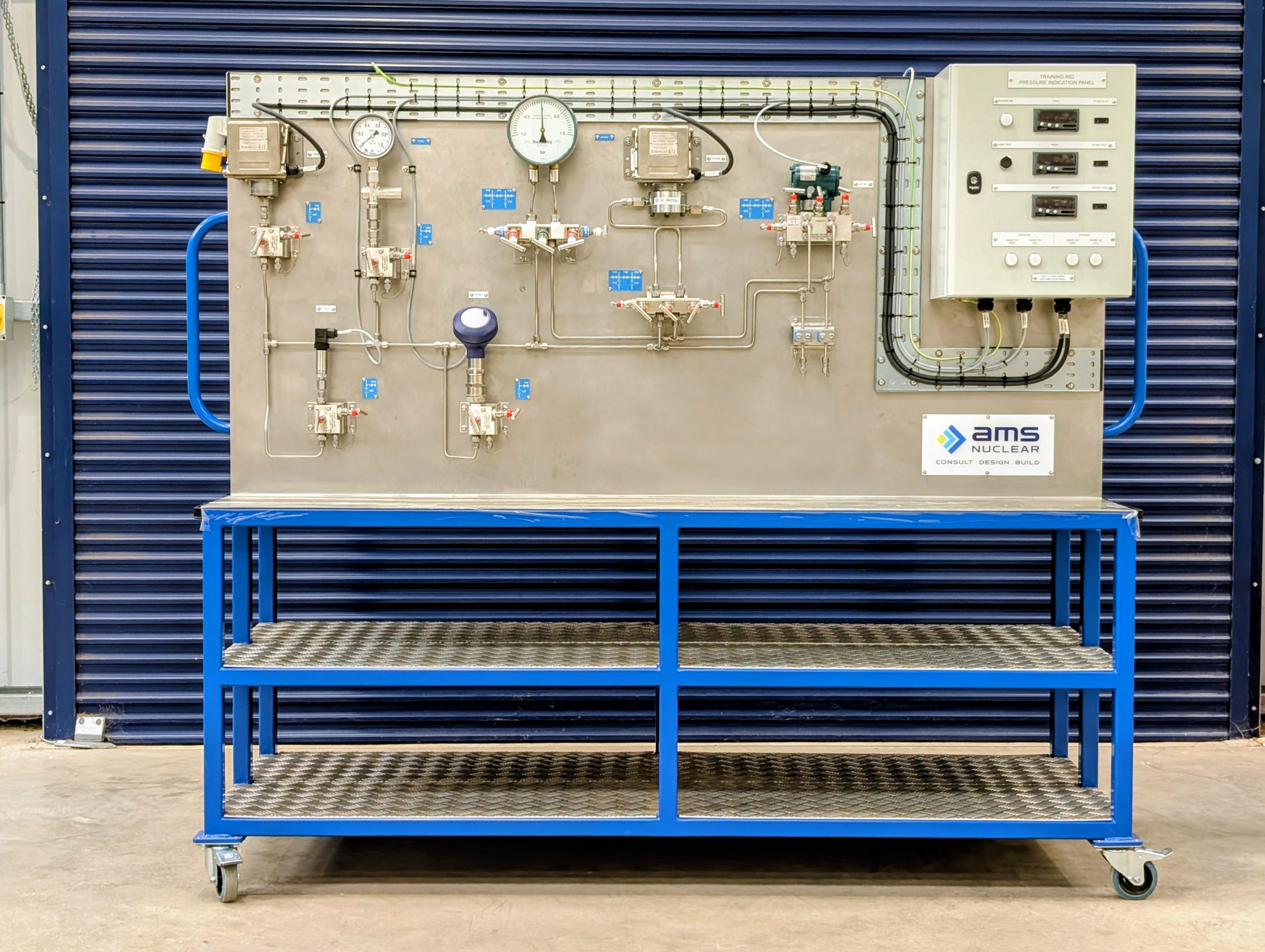
Pressure instrumentation: Accessible gauges, switches and transmitters, including a differential pressure transmitter with HART communication, support calibration and maintenance exercises. Isolation manifolds and test connections give learners access to practise the associated tasks.
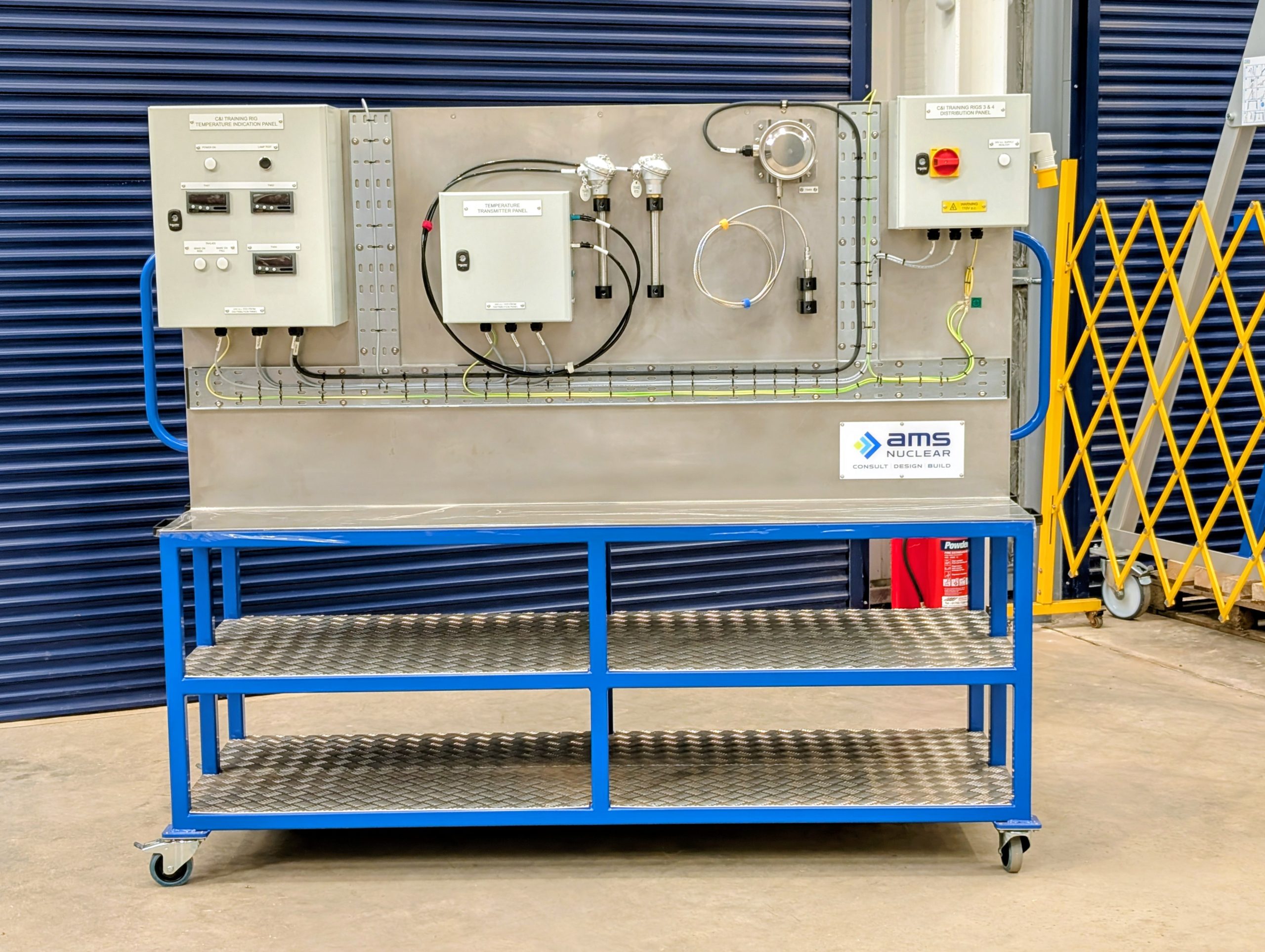
Temperature instrumentation: A PT100 resistance temperature sensor, thermocouple and temperature switch bring different sensing methods into one training arrangement. External terminals and transmitters support connection and testing activities, while a cooling rack provides a designated location for hot instruments.
Networking: Managed and unmanaged switches, Ethernet and fibre connections, computers, a firewall and network attached storage would form a functional network. This extends practical training into network testing, maintenance and component replacement.
Together, these arrangements show how AMS Nuclear can turn a broad training brief into equipment that supports both understanding and practical application.