

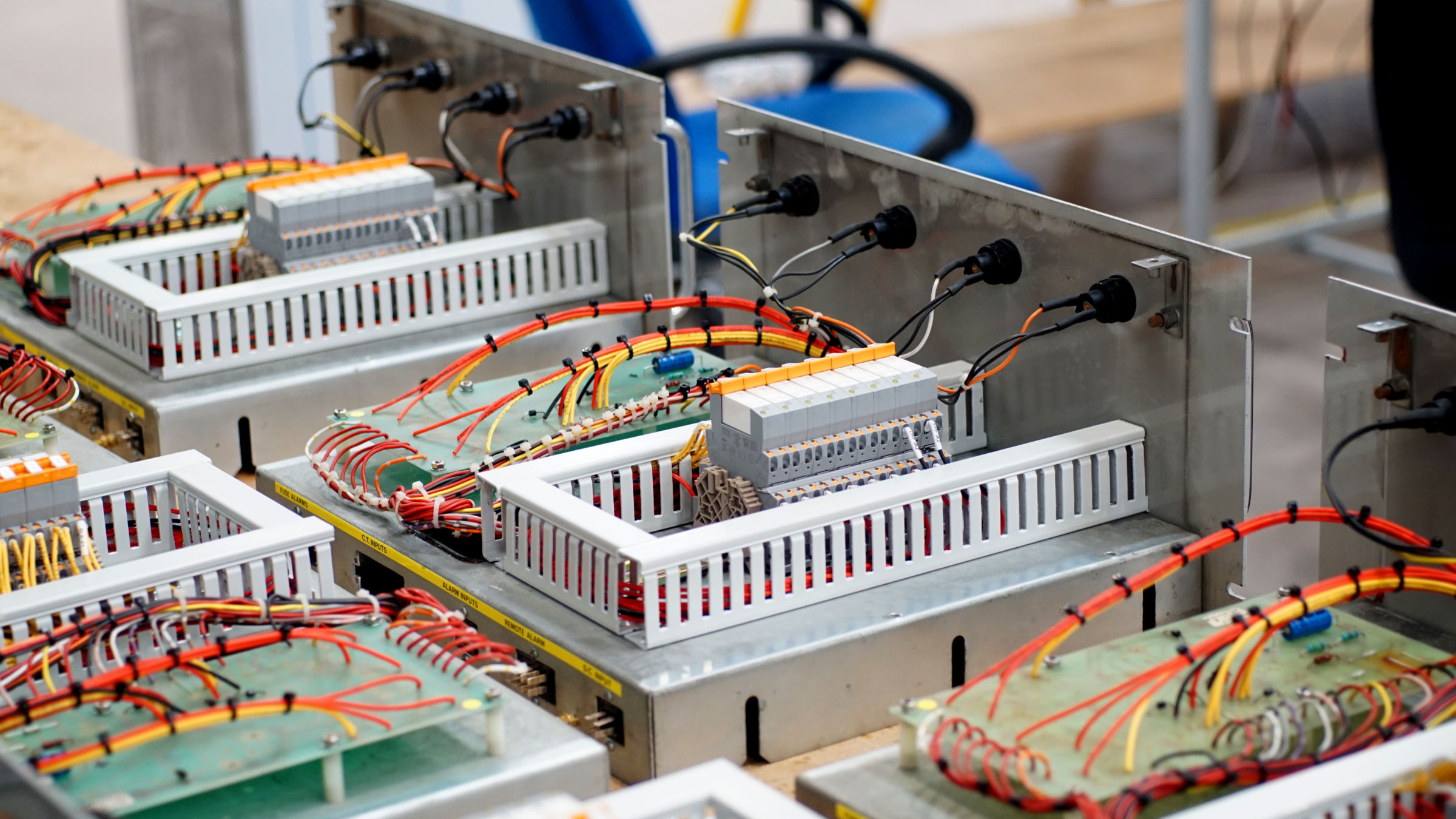

In a nuclear facility, every component has a job to do. For safety-critical equipment, confidence in that component depends not only on how it performs, but on knowing exactly what it is, where it came from and whether the evidence supporting it can be trusted. A single item that is not what its certification claims can undermine that confidence. The nuclear industry refers to this risk as Counterfeit, Fraudulent and Suspect Items (CFSI). Understanding how these items can enter the supply chain and having the controls and culture to identify them, is an important part of protecting nuclear safety and quality.


What does CFSI mean?
CFSI covers more than simply finding a fake component. The term describes several related risks that can affect physical items as well as the documentation and records used to demonstrate their quality and provenance.
A counterfeit item is one that has been manufactured or altered to imitate a genuine product. This could include false manufacturer markings, cloned components or an item deliberately presented as being from a different source.
A fraudulent item involves deliberate misrepresentation. Examples can include falsified certificates, altered test results or forged material traceability records.
A suspect item is one where there is reasonable indication that it may not be genuine or may not meet its stated requirements, but this has not yet been established.
The important point is that CFSI is not only about the physical condition of a component. The documentation supporting an item is fundamental to establishing its provenance and conformity. If that evidence cannot be trusted, the assurance surrounding the item is weakened too.
Why is CFSI a significant risk?
Modern engineering supply chains can be complex. Components, materials and supporting documentation may pass through manufacturers, distributors, stockists, subcontractors and other organisations before reaching their final destination.
Every additional interface creates another point at which information must be transferred and verified correctly.
Within the nuclear industry, where equipment can perform safety or security functions and may remain in service for many years, maintaining this traceability is particularly important. An item that does not conform to its stated specification could affect equipment reliability or performance. Equally, inaccurate or falsified documentation could prevent an organisation from demonstrating that an otherwise apparently suitable component meets the required standards.
This is why CFSI should not be viewed simply as a procurement problem. It involves procurement, engineering, quality assurance, inspection and the wider supply chain.
Effective control relies on these functions working together and importantly on people being willing to question something that doesn’t look right.
Recognising the warning signs
CFSI isn’t always obvious. A suspect component may look convincing, while documentation can appear complete at first glance. Identifying potential problems therefore requires more than a visual check.
Some warning signs can include:
- Pricing or lead times that are significantly different from what would normally be expected.
- Missing, inconsistent or unusually presented documentation.
- Certificates or test records that cannot be traced back to their stated source.
- Differences in manufacturer markings, labelling, packaging or component appearance.
- Gaps in material traceability or the documented chain of custody.
- Unexpected substitutions or pressure to accept alternatives without appropriate verification.
- Requests to reduce or waive inspection requirements because of programme or delivery pressures.
None of these automatically proves that an item is counterfeit or fraudulent. They are reasons to stop, question and verify.
That distinction matters. A strong approach to CFSI is not about assuming something is wrong. It is about having enough control over the process to establish that it is right before proceeding.
Keeping CFSI out of the supply chain
Preventing CFSI starts well before an item arrives for inspection.
Robust procurement arrangements establish clear technical and quality requirements from the outset. Supplier selection and oversight provide confidence in where items are being sourced. Inspection and verification then check that what has been supplied matches those requirements, while documentation and traceability provide the evidence needed to support that conclusion.
But processes alone are not enough.
People need to understand the warning signs and feel able to challenge uncertainty. A certificate should not be accepted simply because a certificate has been provided. If information is inconsistent, incomplete or difficult to verify, asking further questions is part of the job.
This questioning attitude is particularly important in safety-critical engineering. It means checking assumptions, seeking clarification and escalating concerns where necessary rather than allowing delivery pressure or familiarity to override uncertainty.
The same expectations also need to extend beyond the immediate organisation. CFSI requirements should be communicated through the supply chain so that suppliers and subcontractors understand what evidence, traceability and quality controls are expected of them.
This reflects a simple principle: supply-chain assurance is only as effective as the controls applied throughout that chain.
CFSI control is also about culture
There is another element that is harder to capture in a procedure: culture.
An organisation can have detailed procurement and inspection processes, but they depend on people applying them properly. Employees need to know that raising a concern is expected, even if doing so creates additional work or challenges an established assumption.
At AMS Nuclear, this aligns with the wider behaviours we expect from our people: do the right thing, own the outcome and always look for a better way. These principles are embedded within AMS Nuclear’s company values.
CFSI awareness therefore forms part of a broader approach to nuclear quality and safety. Training people to recognise potential CFSI, maintaining robust procurement and quality controls, and encouraging appropriate challenge all contribute to the same objective: ensuring decisions are supported by reliable evidence.
What should you look for in a nuclear supplier?
For operators and Tier 1 contractors, CFSI resilience can provide one useful indication of a supplier’s wider approach to quality.
The important questions go beyond whether a supplier has a CFSI procedure. How does it control procurement? How is material and component traceability maintained? How are suppliers assessed? What happens when documentation does not match expectations? Are employees trained to recognise warning signs and are they encouraged to raise concerns?
The answers reveal how quality requirements translate into everyday decisions.
For AMS Nuclear, these principles sit alongside our wider approach to designing and building safety-critical electrical, control and instrumentation (EC&I) systems. Our aim is straightforward: apply technical rigour, understand the requirement and deliver the right solution first time. This reflects AMS Nuclear’s stated mission of combining technical rigour with an understanding of client requirements to support safe, long-term nuclear operations.
Maintaining confidence throughout the supply chain
There is no single inspection, certificate or procedure that eliminates CFSI risk. Effective control requires continued attention throughout procurement, engineering, manufacture, inspection, documentation and delivery.
The goal is not simply to find counterfeit or fraudulent items once they have entered the supply chain. It is to create the controls, traceability and behaviours that make it harder for them to enter unnoticed in the first place.
For safety-critical nuclear engineering, that level of assurance matters. Know what you are buying. Know where it came from. Verify the evidence. And when something does not look right, ask the question.
To find out more about AMS Nuclear’s approach to quality, supply-chain assurance and the delivery of safety-critical EC&I systems, get in touch using the form on this page – or explore our engineering services.