

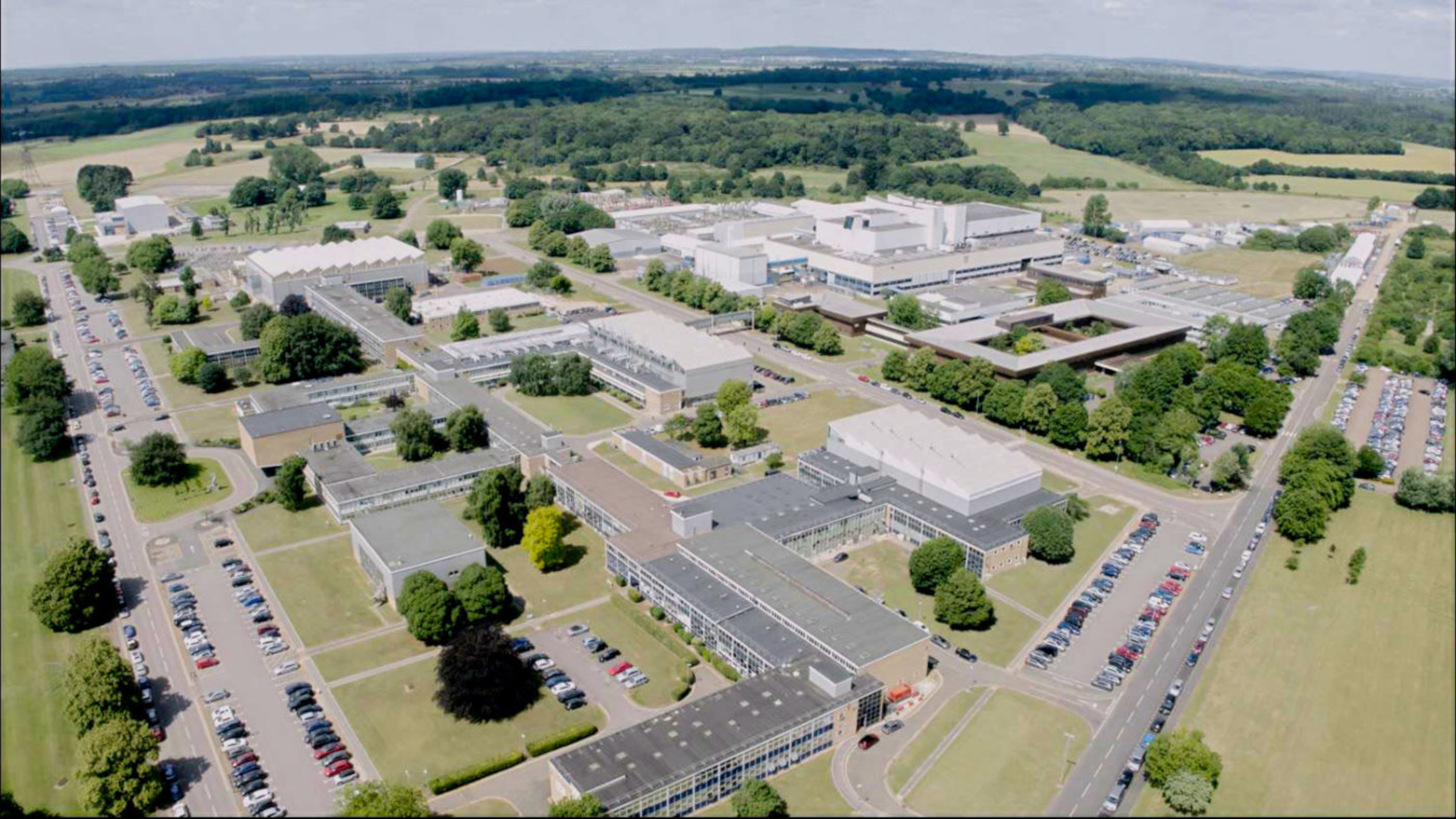

Effective build-to-print manufacture depends on absolute confidence that the finished system reflects the approved design, from individual components and wiring through to control, protection and interface functions. AMS Nuclear combines specialist EC&I manufacturing with structured quality assurance and comprehensive Factory Acceptance Testing, providing customers with documented evidence that equipment has been built and verified against its design requirements before leaving the workshop. For the UK Atomic Energy Authority (UKAEA), AMS Nuclear manufactured and tested a bespoke LIBRTI Pincell Cabinet for its Culham facility, incorporating temperature and process-control equipment within a wall-mounted enclosure. A 12-part FAT verified the cabinet’s electrical, control and safety functions under controlled workshop conditions, providing UKAEA with a fully documented and tested assembly ready for the next stage of the programme.

Project Overview
Client: UK Atomic Energy Authority
Location: Culham Campus
Supporting the LIBRTI Programme with Design Consultancy, Build and Test
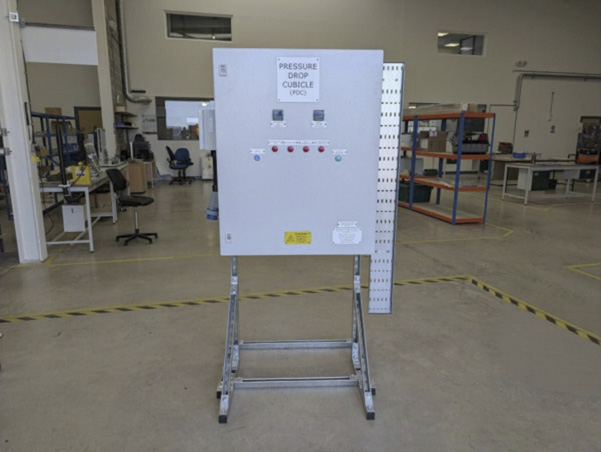
The Lithium Breeding Tritium Innovation, or LIBRTI, programme required a dedicated control cabinet to support temperature and process-control functions associated with the Pincell system. UKAEA provided the detailed design for the cabinet, with AMS Nuclear responsible for translating that information into a completed physical assembly. The scope covered the manufacture, assembly and Factory Acceptance Testing of a wall-mounted metal enclosure housing temperature and flow-control equipment for delivery to UKAEA’s Culham site.
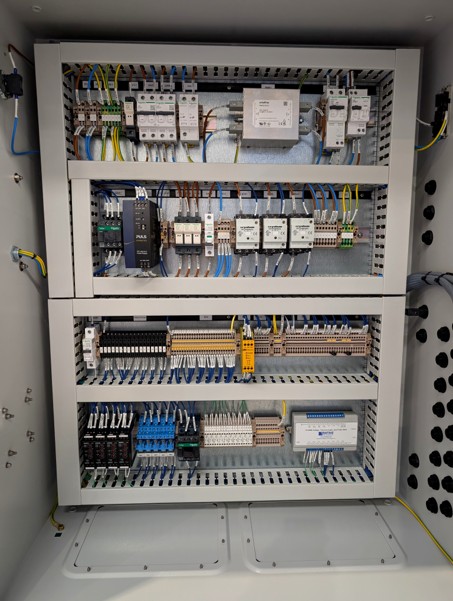
Although the project followed a build-to-print model, successful delivery required more than simply assembling specified parts. The cabinet incorporated power distribution, protective devices, safety relays, temperature controllers, monitoring relays, contactors, indicators, connectors and associated field interfaces. Each component and connection needed to correspond accurately with the design drawings while remaining fully traceable through manufacture and testing.
Combining Workshop Manufacture with Controlled Engineering Delivery
AMS Nuclear managed the cabinet through a structured delivery process that combined workshop capability with engineering, quality and project-management support.
An internal design review supported the transition from the UKAEA drawings into manufacture. AMS Nuclear also produced and maintained the Manufacturing Quality Plan and developed the detailed Factory Acceptance Test procedure and results documentation. Within AMS Nuclear’s Bridgwater workshop, the team assembled the enclosure, backplate equipment, terminal arrangements, protective devices, controllers and internal wiring. The final assembly included interfaces for thermocouples, control signals, safety functions and external equipment, together with the power supplies and switching arrangements required for cabinet operation.
This coordinated approach enabled technical queries, manufacturing activities, quality requirements and test preparation to be managed within a single delivery team.
Verifying the Cabinet Through 12 Passive and Active Tests
Before formal testing began, AMS Nuclear completed prerequisite checks covering test-procedure approval, equipment calibration, point-to-point wiring verification, manufacturing drawings and pre-job briefing requirements. Calibrated electrical and temperature-simulation equipment was recorded within the FAT documentation, providing traceability for the measurements taken during testing.
The completed cabinet then underwent a 12-part Factory Acceptance Test divided into passive and active testing.
Passive Verification
The passive testing confirmed:
- Fuse ratings and types
- RCBO and MCB ratings and characteristics
- Earth bonding throughout the cabinet
- Insulation resistance of the 230 V AC circuits
- Insulation resistance of the 24 V DC circuits
The earth-bonding tests confirmed that cabinet metalwork and earth terminals met the specified resistance requirement. The insulation tests also recorded values above the required acceptance thresholds for both the AC and DC circuits.
Active Functional Testing
Following successful passive checks, AMS Nuclear energised the cabinet and tested the operational functions. These tests covered:
- Cabinet test-equipment configuration
- Controlled cabinet energisation
- RCBO operation and trip performance
- Temperature-controller functions
- Temperature-monitoring relay functions
- Safety-relay operation
- Pressure-transmitter signal testing
Temporary field devices and simulated signals were used where necessary to represent the external plant interfaces. This included simulated emergency-stop and access-door contacts, thermocouple inputs and calibrated process signals.
The testing verified that the cabinet’s power supplies, controllers, indicators, interposing relays and safety functions responded as required by the design. Temperature inputs were progressively varied using calibrated simulation equipment to demonstrate controller set points, alarm operation, relay switching and reset behaviour.
Demonstrating Performance Before Delivery to Site
All 12 scheduled FAT sections were completed and recorded as having passed within the applicable tolerances. The final active tests were witnessed and signed by a UKAEA representative, and the overall FAT completion record was signed by both AMS Nuclear and UKAEA.
Completing this level of testing before dispatch gave UKAEA documented assurance that the cabinet had been manufactured in accordance with the supplied design and that its principal electrical, control and protection functions had been demonstrated under controlled workshop conditions.
The completed FAT record also formed an important part of the project’s lifetime quality documentation, supporting traceability and providing a clear technical record for subsequent installation, integration and commissioning activities.
Delivering Confidence Through Manufacture, Testing and Traceability
The LIBRTI Pincell Cabinet demonstrates AMS Nuclear’s ability to take a client-supplied EC&I design through controlled manufacture, detailed functional testing and documented acceptance.
By integrating engineering support, quality planning, specialist workshop skills and calibrated testing within a single delivery scope, AMS Nuclear provided UKAEA with a verified control cabinet ready for the next stage of the programme. The same approach can be applied across nuclear, fusion and other regulated sectors where dependable manufacture and demonstrable compliance with design intent are essential.
Project Highlights
- One bespoke LIBRTI Pincell Cabinet manufactured for UKAEA
- Build-to-print delivery against UKAEA design documentation
- Engineering support, project coordination and quality planning
- Comprehensive Factory Acceptance Test completed at AMS Nuclear’s Bridgwater facility
- Five passive and seven active test areas completed
- Temperature-control, safety-relay and process-signal functions verified
- FAT completed and signed by AMS Nuclear and UKAEA representatives
- Full test results produced as part of the lifetime quality record package