
AMS Nuclear Logo icon

Project Overview

Client: EDF Energy - Hinkley Point B

Type: Obsolescence

Scope Of Supply: Design, Build, Substantiate, Test, Install

Key Deliverables: B/G/90 Valve Actuator Control System

AMS Nuclear delivered a safety-critical engineering modification at Hinkley Point B to enhance the resilience of the station’s CO₂ distribution system. The project centred on upgrading a Fuel Route CO₂ isolation valve with a remotely operable actuator system controlled from the Central Control Room (CCR). 

By designing, manufacturing and testing a bespoke EC&I control system and integrating a FlexiDrive mechanical actuation solution, AMS Nuclear enabled operators to safely isolate the Fuel Route supply even if local access is restricted following a seismic event. The completed modification improves operational safety, enhances plant resilience, and strengthens operator control of a critical reactor support system while maintaining compliance with the station’s safety case and regulatory engineering standards.  

Safeguarding Reactor CO₂ Distribution in a Complex Operational Environment

Hinkley Point B’s Advanced Gas-cooled Reactor (AGR) design relies on a seismically qualified CO₂ ring main that supplies both reactors and the fuel handling route. Maintaining the integrity of this system is essential for safe and reliable station operation.

The Fuel Route branch of this system is connected through a common isolation valve. In the unlikely event of a seismic disturbance, the system must be isolated quickly to protect the integrity of the main CO₂ supply to the reactors.

This operational context created a clear requirement: ensure that the Fuel Route branch could be reliably isolated even under extreme plant conditions.

Overcoming a Critical Access Challenge in the Reactor Building

The key challenge lay in the location of the isolation valve. The valve sits within the Gas Bypass Plant corridor – an area that could experience hot gas release or other environmental hazards following a seismic event.

Under such circumstances, operators might not be able to safely access the valve to perform manual isolation. Yet isolating the Fuel Route supply remains essential to protect the main CO₂ ring main and support continued reactor operation.

The station therefore required a solution that would allow operators to actuate the valve remotely from the Central Control Room without compromising existing plant functionality or introducing additional safety risks.

“The challenge wasn’t simply adding an actuator. We needed a solution that would work reliably after a seismic event, protect operators from hazardous conditions and integrate seamlessly with the station’s existing systems.”

Project Engineer, AMS Nuclear

Engineering a Resilient Remote Actuation System

AMS Nuclear approached the challenge with a design philosophy centred on reliability, accessibility and regulatory compliance.

The solution combined electrical, mechanical and control system engineering to create a fully integrated remote actuation system.

At the heart of the design was a Smith Flow Control FlexiDrive mechanical transmission system, linking the existing valve to an actuator installed within the adjacent autoclave room, a protected environment shielded from potential hot gas release conditions.

This arrangement enabled remote operation while avoiding the need to install sensitive electrical equipment within a hazardous area.

The complete solution included:

  • A remote actuator system capable of opening and closing the valve from the CCR
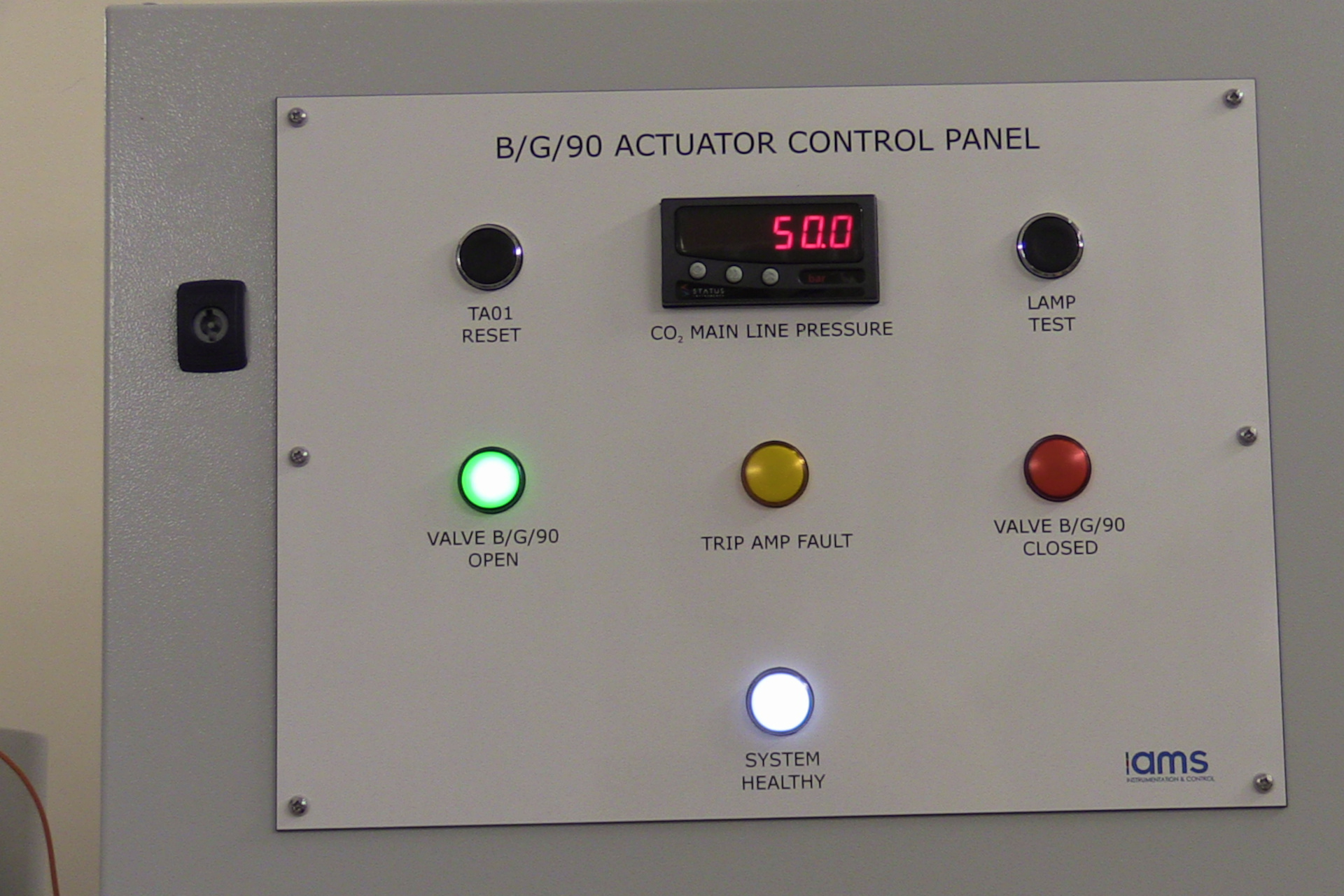
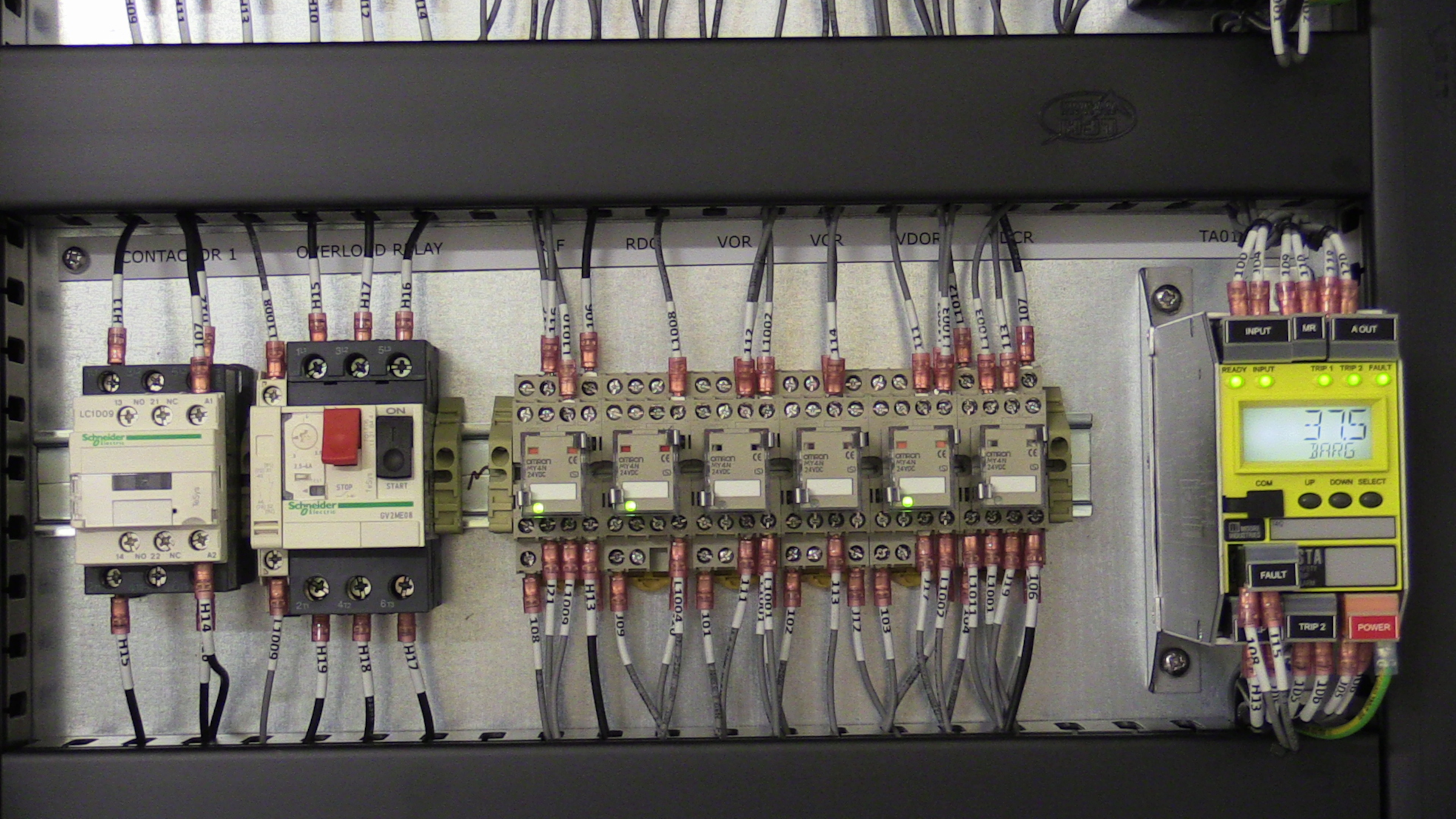
  • A bespoke electrical control panel and control circuitry
  • A battery-backed UPS system, ensuring operation even after loss of mains power
  • Local control and manual handwheel operation for maintenance and contingency
  • Valve position indication and fault alarms transmitted to the CCR

The system design ensured the valve could be closed following a seismic event with a reliability target of 10⁻² probability of failure on demand, in line with the station’s safety requirements.

Delivering an Integrated EC&I and Mechanical Upgrade

AMS Nuclear provided a full project delivery scope covering engineering design, manufacture, testing and documentation.

Key elements of the delivery included:

  • Manufacture and assembly of a dedicated electrical control panel
  • Integration of a self-contained UPS system capable of powering the actuator during loss of supply
  • Design and fabrication of custom brackets and mounting assemblies
  • Installation of valve position indication and instrumentation
  • Supply of actuator system capable of delivering the necessary torque for reliable valve operation.

To verify system performance and ensure compliance with project requirements, AMS Nuclear carried out a comprehensive Factory Acceptance Test (FAT) programme.

Testing simulated the operation of the actuator and control system, confirming correct valve movement, signal transmission and torque performance before the system was released for installation.

Alongside hardware delivery, AMS Nuclear produced the full engineering documentation suite required for nuclear projects, including:

  • Manufacturing Quality Plan
  • Factory Acceptance Test procedures and records
  • Calibration certificates
  • Recommended spare parts lists
  • As-built drawings and documentation updates.

A Practical Innovation for Safety-Critical Nuclear Systems

This isolation valve modification demonstrates how targeted engineering innovation can significantly improve plant resilience without major infrastructure changes.

By relocating the actuator and control equipment to a protected area and transmitting mechanical motion through a flexible drive system, AMS Nuclear created a solution that maintains safety functionality even under severe plant conditions.

The design also incorporates a battery-backed power system, ensuring the valve can still be actuated if electrical supplies are disrupted following a seismic event.

“Projects like this show how thoughtful engineering can solve complex operational challenges. By understanding both the plant and the safety case, we were able to design a solution that improves resilience while keeping the system simple and maintainable.”

Project Lead, AMS Nuclear

AMS Nuclear Certifications

ISO 9001:2015
ISO 14001:2015
ISO 45001:2018
Cyber Essentials