AMS Nuclear Logo icon

Project Overview

Client: EDF Energy – Dungeness B

Type: Plant Life Extension (PLEX)

Scope Of Supply: Design, Build, Substantiate, Factory Test, Install, Deliver

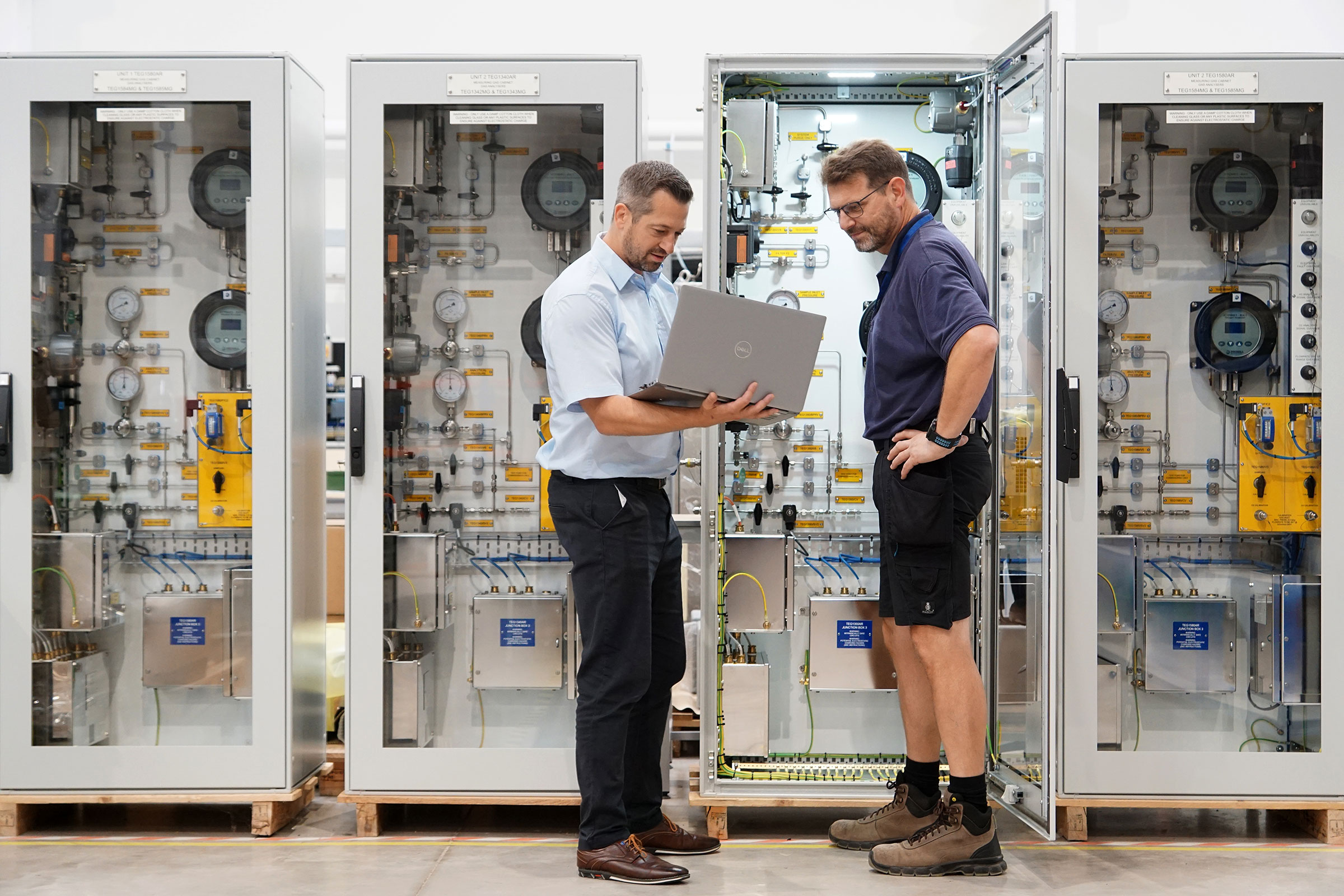
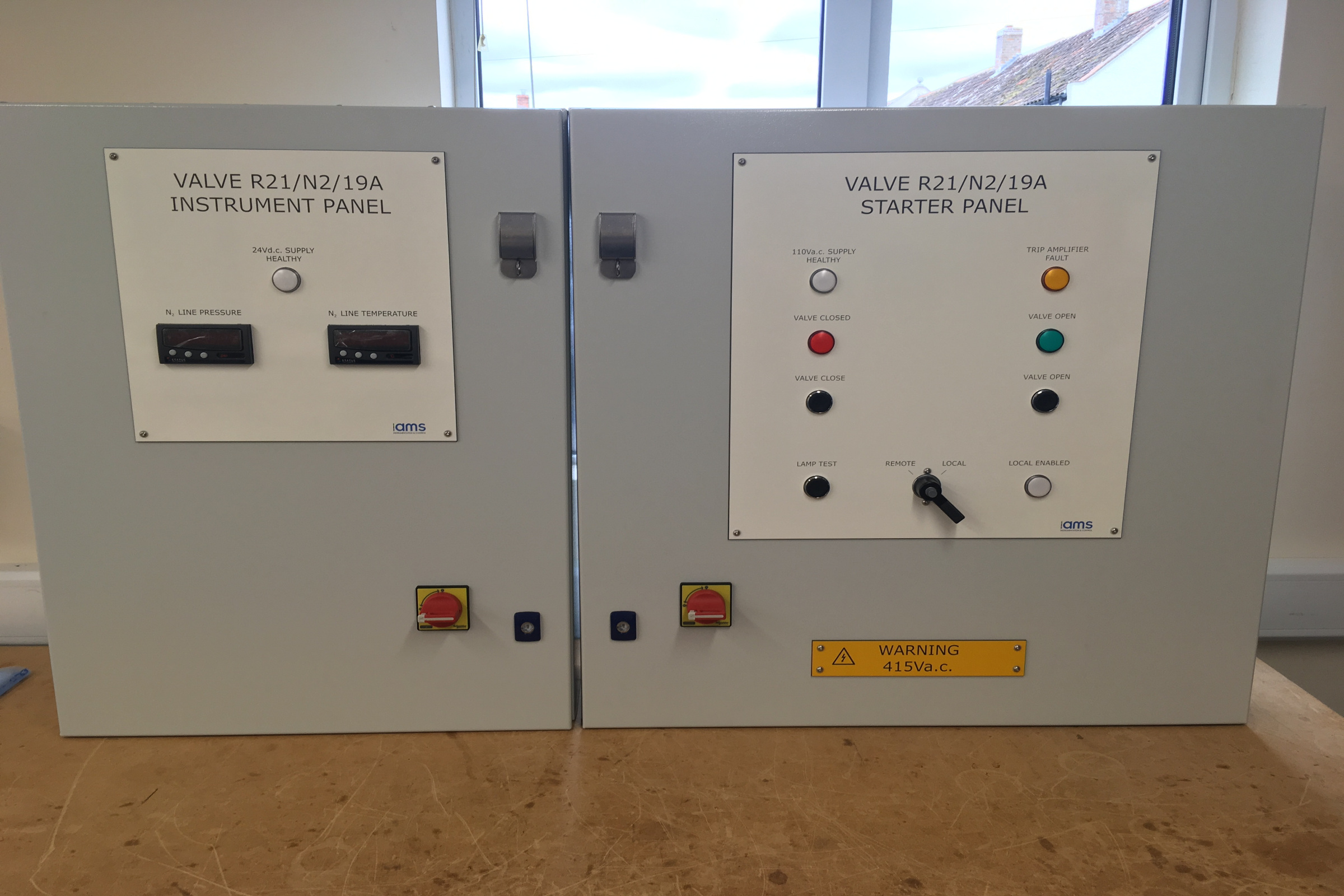
Key Deliverables: Stream interface cubicles, valve actuator control panels, valve starter panels and changeover facilities

As part of EDF’s programme to replace the ageing Nitrogen Storage and Vaporisation Plant (NSVP) at Dungeness B Power Station, AMS Nuclear was engaged to develop the critical control and instrumentation interfaces between the new plant and the existing Central Control Room (CCR). Rather than replacing established control room systems, the solution was designed to preserve existing operator controls, indications and alarms while enabling safe commissioning of the new plant.

By designing, substantiating, manufacturing and testing a comprehensive suite of interface panels, marshalling equipment and associated control logic, AMS Nuclear delivered a solution that allowed both the existing and replacement nitrogen systems to coexist throughout commissioning. This approach reduced disruption to station operations, minimised operator retraining and avoided extensive modifications to established control room infrastructure, while meeting the rigorous quality and safety standards expected within the UK nuclear industry.

Supporting a Critical Plant Upgrade Without Disrupting Operations

The original nitrogen plant at Dungeness B had been in service since the station was commissioned and was approaching the limits of its operational life. A replacement Nitrogen Storage and Vaporisation Plant was introduced to address equipment ageing and obsolescence whilst continuing to provide an essential reactor hold-down function.

Although the new plant represented a significant infrastructure upgrade, replacing the Central Control Room interfaces would have introduced considerable operational disruption. Existing controls, alarms and indications were deeply embedded within station operating procedures, training programmes and simulator facilities. Replacing these systems would have increased installation complexity, extended commissioning activities and required substantial operator retraining.

Instead, EDF sought an engineering solution that would allow operators to continue using familiar control room equipment while seamlessly transferring control to the new nitrogen plant. Equally important, the transition needed to support phased commissioning with the ability to safely revert to the original plant if required throughout the commissioning programme. This required a carefully engineered interface solution capable of maintaining operational continuity whilst integrating modern plant systems into an established nuclear control environment.

Developing a Flexible Interface Between Legacy and Modern Systems

AMS Nuclear was responsible for the complete design, substantiation, manufacture and testing of the control and interface equipment connecting the new Nitrogen Storage and Vaporisation Plant to the existing Central Control Room.

Rather than redesigning the control room, AMS Nuclear engineered an interface architecture that preserved the existing operator experience while introducing the functionality required by the replacement plant.

The solution incorporated dedicated interface panels for each reactor stream, new DPCS marshalling equipment and modifications to existing interface panels, allowing the new plant to communicate with existing control systems without altering established operator controls. Existing discrepancy switches, analogue indications, alarm systems and Data Processing and Communication System (DPCS) interfaces were retained wherever practicable, significantly reducing the scope of station modifications.

A key feature of the design was the development of an innovative changeover philosophy. Mechanical Harting plug-and-socket assemblies were incorporated within the existing sequence control cubicles, allowing control circuits to be transferred between the existing and replacement nitrogen plants in a controlled and fully reversible manner. During commissioning, dedicated test equipment could be connected to prove the operation of the new plant while the original nitrogen system remained fully operational. Should any issues arise, operators could quickly revert to the existing plant without extensive rewiring or prolonged outages.

The design also addressed compatibility between legacy instrumentation and modern equipment. New plant instrumentation produced standard 4–20 mA analogue signals, whereas the existing Central Control Room instrumentation operated using 0–10 mA loops. AMS Nuclear integrated signal conditioning equipment within the interface panels to perform the necessary conversion, enabling the existing control room indicators to remain in service without replacement. Similar changeover methodologies were developed for alarms and DPCS signals, allowing the transition to be completed with minimal disruption to operators.

To maximise system resilience, the interface panels incorporated redundant 48 VDC power supplies derived from independent 110 VAC sources, ensuring continued operation of the interface logic and providing automatic alarm indication in the event of a supply failure.

Delivering a Fully Substantiated Nuclear C&I Solution

The project followed AMS Nuclear’s structured nuclear engineering lifecycle, from requirements review and detailed design through to manufacture, Factory Acceptance Testing and commissioning support.

The design was developed in accordance with EDF’s Control & Instrumentation standards and subjected to comprehensive technical reviews involving Control & Instrumentation SQEP personnel, Human Factors specialists and station engineering teams. Regular design reviews ensured the evolving solution remained aligned with both operational requirements and the station safety case.

Manufacture was completed under a QA Grade 2 quality management framework, with all panels assembled and tested at AMS Nuclear’s facilities before delivery. Factory Acceptance Testing verified functional performance, interface logic, alarm behaviour and changeover operation prior to installation, providing confidence that the equipment would integrate successfully within the station environment. Comprehensive design substantiation, lifecycle records and technical documentation supported regulatory compliance while providing a robust foundation for future maintenance and operation.

Close collaboration with EDF’s Central Technical Organisation and station engineering teams throughout the project ensured technical decisions remained aligned with operational priorities while facilitating an efficient approval and delivery process.

Enabling a Safe Transition with Minimal Operational Impact

By focusing on integration rather than replacement, AMS Nuclear delivered an engineering solution that allowed the new Nitrogen Storage and Vaporisation Plant to be introduced without unnecessary disruption to established station operations.

Retaining the existing Central Control Room interfaces reduced operator training requirements, avoided extensive modifications to control desks and simulator facilities, and minimised the installation of new long-distance cabling. The reversible changeover philosophy provided additional confidence throughout commissioning by allowing individual systems to be transferred progressively while maintaining the ability to revert to the original plant whenever necessary.

The completed interface system met the functional, operational and performance requirements defined within EDF’s engineering specification, supporting the successful integration of the replacement nitrogen plant while maintaining the high standards of safety, reliability and quality expected within a nuclear licensed site.

AMS Nuclear Certifications

ISO 9001:2015
ISO 14001:2015
ISO 45001:2018
Cyber Essentials